A steel embed plate and a cast-in channel embed both provide a connection point in concrete, but they do not provide the same adjustment. A flat plate fixes a connection at a defined location. A channel embed provides a continuous slot so the connection can be positioned along the channel after the concrete has been placed.
The choice should come from the connection design. If the later connection has no tolerance requirement, a plate may be sufficient. If the facade or steelwork needs adjustment along one axis, a channel may be the intended interface. The supplier needs a drawing that makes that intent measurable.
What is a steel embed plate?
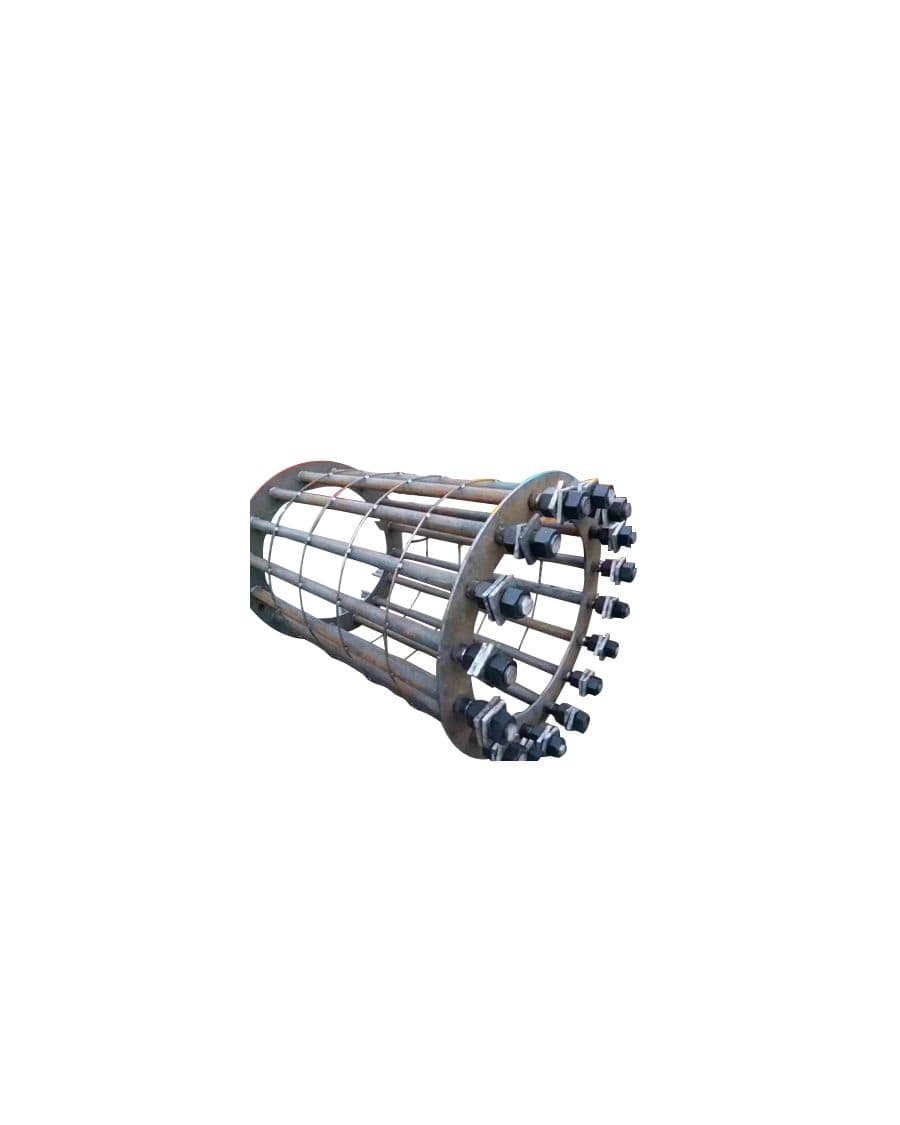
A steel embed plate is a plate cast into concrete with anchor bars, studs or another anchorage welded to its back. The exposed face receives a welded or bolted connection later.
The drawing should define the plate size, thickness, material grade, anchor type and spacing, weld details, surface finish and the position of the exposed face relative to the concrete. It should also show how the plate is held during the pour.
What is a cast-in channel embed?
A cast-in channel is a slotted profile with anchors that is set into the concrete. A T-bolt or other connector can be moved along the slot before it is locked. This is useful where the final fixing position cannot be guaranteed by the concrete pour alone.
The channel drawing needs more than a profile number. It needs the slot orientation, anchor layout, end caps, filling material, exposed face, length and the connection hardware that will run in the slot.
What changes on the drawing?
| Item | Flat steel embed plate | Cast-in channel embed |
|---|---|---|
| Adjustment after casting | Normally fixed; holes must be positioned accurately | Adjustment along the channel slot |
| Primary interface | Welded or bolted connection at a point | Sliding connector along a line |
| Critical dimension | Plate position, hole pattern and face level | Slot orientation and usable slot length |
| Anchorage | Weld studs, anchor bars or bent anchors | Channel anchors and profile geometry |
| Common risk | Plate is in the wrong place or not level | Channel is installed with the slot facing the wrong way |
| Additional parts | Nuts, bolts, welded items | T-bolts or channel nuts, end caps and filler |
The biggest difference is the tolerance strategy. A flat plate does not become adjustable because the drawing shows a slotted hole. A channel does not provide adjustment in every direction just because it contains a slot.
Are custom embed plates and welded embed plates the same?
Not necessarily. “Custom” describes how the plate is made: it follows a project drawing rather than a catalogue size. “Welded” describes a fabrication method, usually a plate with welded anchors or a welded connection detail.
A project may use a custom plate that is not welded, or a welded assembly that is produced to a standard shop detail. The RFQ should therefore use the drawing and intended function, not only the product label.
Tangtie's custom embed plates and welded embed plates should be quoted against the approved drawing whenever the scope overlaps. The drawing decides the boundary.
What must the drawing show?
- Plate or channel mark and the concrete element where it is cast.
- Plan and elevation position, including the setting-out reference.
- Plate thickness, width, length and material grade.
- Anchor type, diameter, length, spacing and edge distance.
- Weld type, size, length and post-weld treatment.
- Slot direction and usable slot length for a channel.
- Exposed face level relative to the concrete surface.
- Temporary fixing, template or cover requirement.
- Surface finish and any galvanizing or painting sequence.
- The mating part: bolt, T-bolt, bracket, hanger or welded steel item.
What should the RFQ include?
Send the embed layout, the mating connection drawing and a schedule by mark. Include the concrete element, the finish, the quantity and the packing sequence. If the embed is part of a facade package, identify the bracket or hanger that will connect to it. If it is part of a steel structure package, identify the beam, column or brace interface.
Do not send a photo of a plate alone and ask for a price. A plate without its anchor and mating interface is not a finished connection.
Common mistakes
- Calling every embed a channel. The two products require different connection hardware and tolerance planning.
- Drawing a slot with no direction. A slot that runs the wrong way provides no useful adjustment.
- Leaving the weld to the shop without a weld detail. The finished assembly still has to match the drawing.
- Specifying the plate finish after fabrication. Galvanizing, painting and stainless components may require different preparation.
- Forgetting the mating part. The embed plate is only half of the interface.
- Assuming two similar plates are interchangeable. Anchor layout, thickness and weld details can differ.
How Tangtie supplies the package
Tangtie supplies steel embed plates and curtain wall embed components to drawing. Electroplated zinc finishing is handled in-house; hot-dip galvanizing and other finishes are coordinated with qualified suppliers. The quotation should identify which finish is included and which inspection records are available.
Next step: send the embed layout with the mating bracket or connection drawing. If a channel is intended, mark the adjustment axis and the connector that will run in the slot.
This note is general technical guidance prepared for the product library. It is not a project-specific approval and does not replace the specification issued by the project engineer. Values requiring test evidence are not published.