Channel & Plate Embeds
Product code — to be assigned
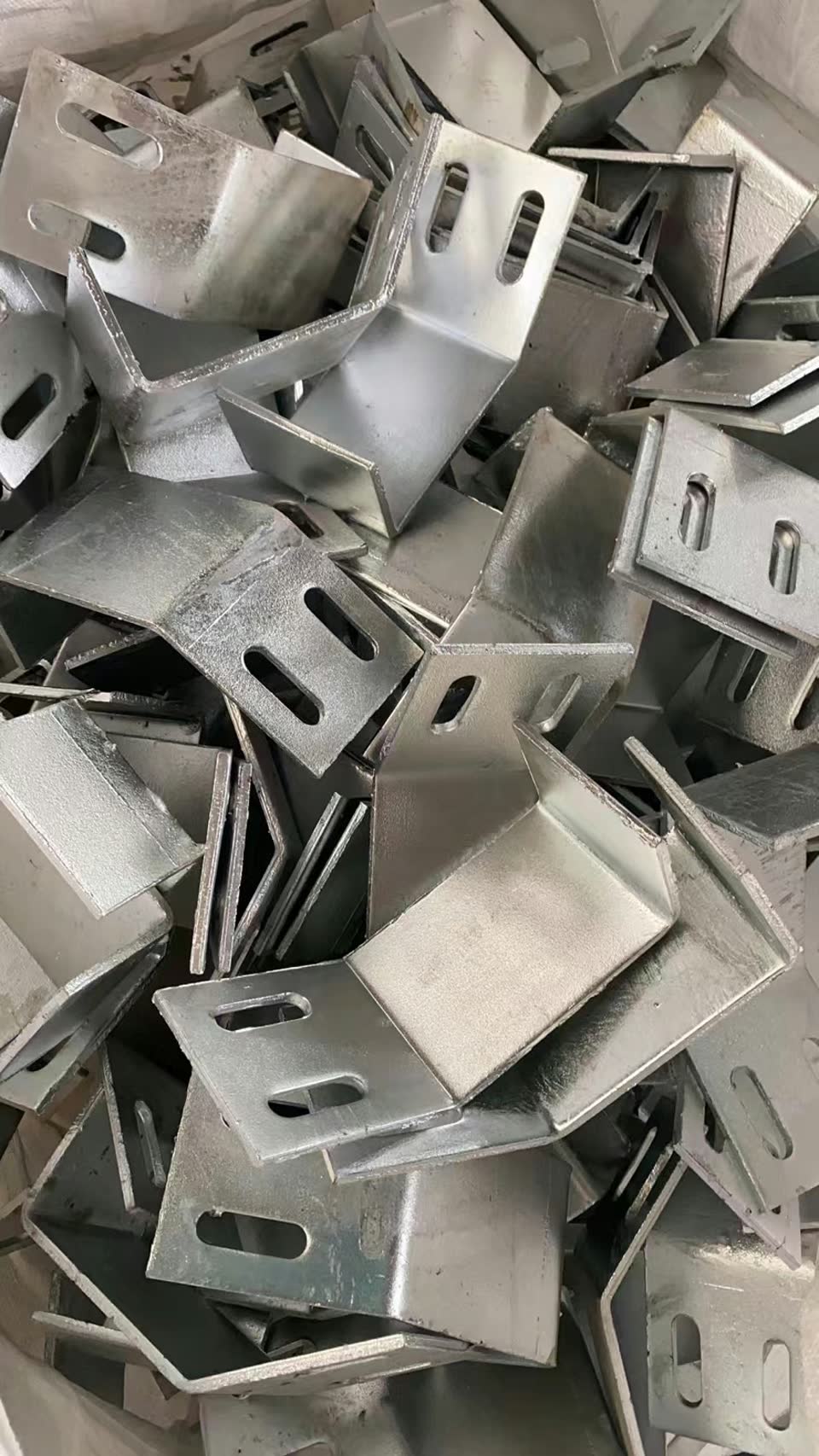
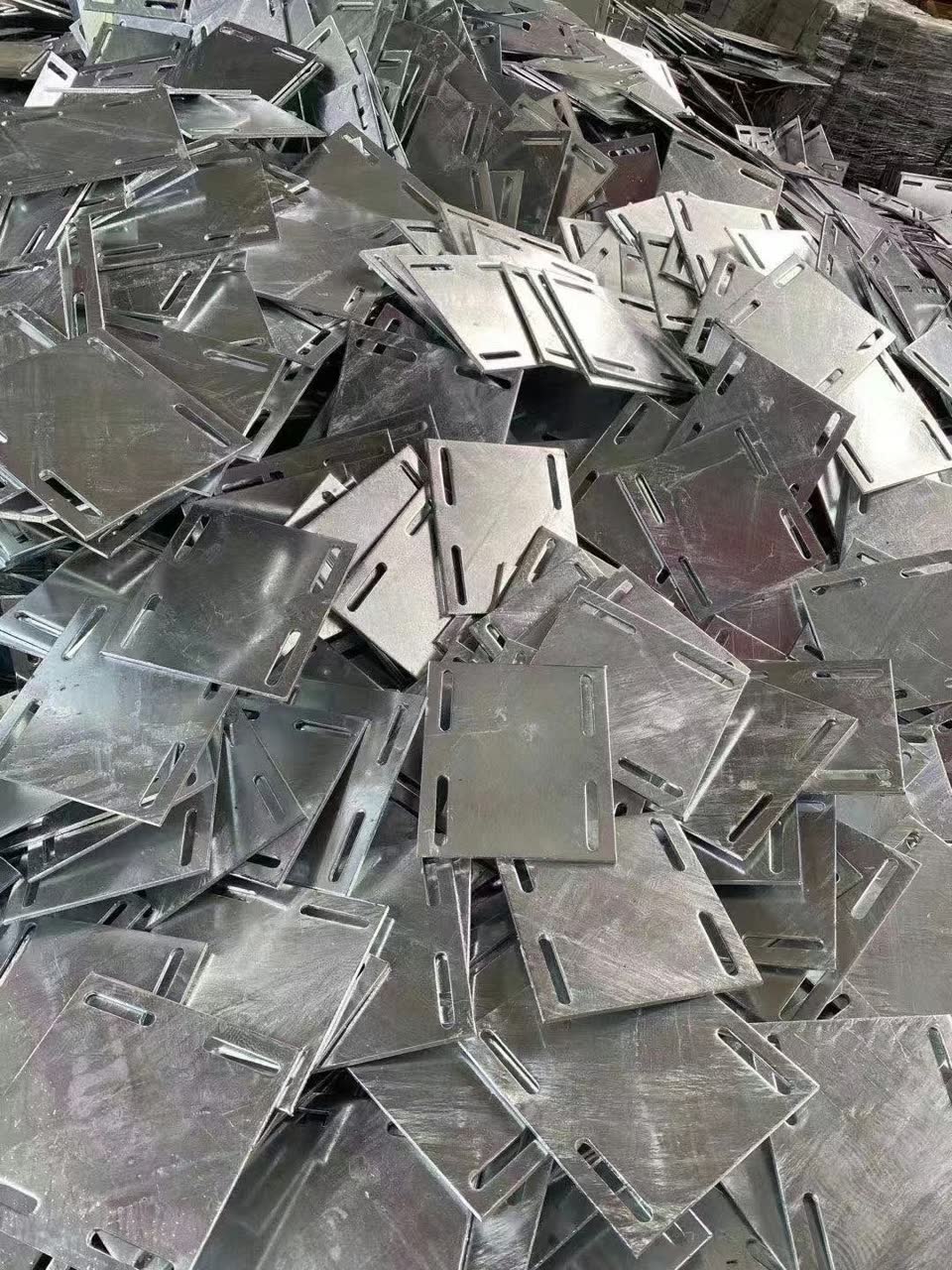
Cast-in plates and channel embeds with welded anchors, set into the slab before the concrete is poured.
- Welded anchor studs or deformed bars
- Slotted for post-pour adjustment
- Hot-dip galvanized after welding
- Plate thickness
- 6 – 20 mm (confirm per layout)
- Plate size
- Made to drawing
- Anchors
- Welded studs or deformed bars, per layout
- Slot
- Slotted or plain, direction per drawing
Quoting from Handan, Hebei Province, China. Reply capacity depends on the completeness of the specification supplied with the enquiry.
Product information
Cast-in embeds put the fixing point into the structure itself, so the facade bracket does not rely on a post-installed anchor. The plate is positioned on the formwork and the welded anchors develop the load into the concrete.
Plates are cut, drilled or slotted, and the anchor studs or deformed bars are welded to the drawing. Slot direction and anchor pattern are the two details that decide whether the bracket can be adjusted after the pour, so both are confirmed from the embed layout.
Typical applications
- Curtain wall bracket fixing points
- Precast and cast-in-situ slab edges
- Secondary steel support at openings
Packing & delivery
- Bundled by embed mark
- Marked to match the embed layout
- Palletized, anchors protected in transit
Customization (confirmed per order)
- Plate size and slot direction to layout
- Anchor bar diameter and length
- Galvanized or primed finish
Material & finish
- Material
- Q235 plate · Q355 plate · HRB400 anchor bars
- Finish
- Hot-dip galvanized · Zinc plated · Shop primer
- Standard reference
- Welding and galvanizing to the project specification. Embed capacity depends on the surrounding reinforcement and is confirmed by the structural engineer, not by this catalogue.
Frequently asked questions
Can the anchor bars be welded to a different pattern?
Yes. Send the embed layout with anchor positions and diameters; the bars are welded to that pattern rather than to a standard one.
Why galvanize after welding rather than before?
Welding burns off the coating at the joint. Galvanizing after welding covers the weld and the heat-affected zone, which is where corrosion starts first.
Request a quotation
The product name is already attached to this form. Add the dimensions, quantity, material and finish required, and attach a drawing if one exists.
- tangtiemetal@163.com
- Phone / WhatsApp
- +86 16619861146
- Location
- Handan, Hebei Province, China